6 ways integrated telematics helps pool fleets work smarter
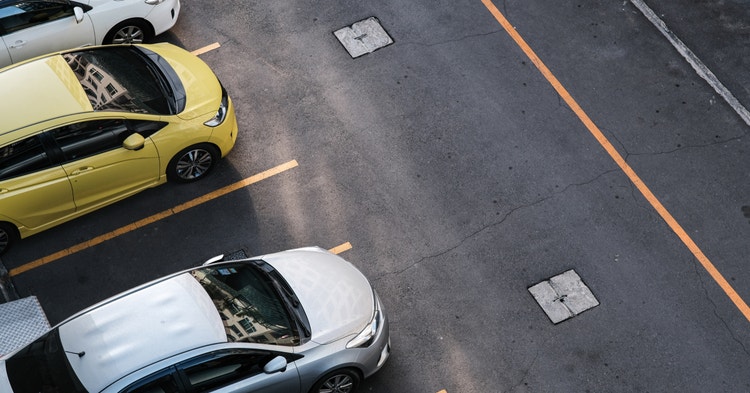
If you feel certain your pool vehicles are underutilised, but don’t have the data to back it up, you’re not alone.
Underutilisation is a real challenge many pool fleets face in Australia. Ausgrid’s 2024-2029 Fleet Strategyshowed that its fleet utilisation sat at a 30% average. Telematics research also found that 47% of assets are sitting idle for more than half of their life.
Being able to quantify your fleet’s true utilisation rate can unlock significant opportunities.
“The saving can be quite profound,” says Anthony Perri, General Manager - Sales and Customer Relations at Interleasing. “For an organisation with 100 vehicles, removing just 5% of its vehicles could mean savings of $50,000.”
The good news is integrating telematics across your pool fleet can give you a clearer picture of your fleet and help you understand where the opportunities lie.
A connected ecosystem for smarter fleets
At Interleasing, we’ve integrated telematics into our Driver Hub ecosystem. This allows you to connect the dots across pool bookings, driver compliance and safety education and make informed decisions based on data you can trust.
Here are six ways you can put this to work.
1. Remove manual odometer entry
Having to manually record odometer readings is an extra task that adds to your drivers’ already busy days. And it leaves room for error. A missed reading, or a mistyped or rounded-up number across any fleet can add up.
Telematics captures this data automatically, so your drivers can get on and off the road faster and focus on delivering value to customers. It also ensures you have data you can trust and make decisions on.
“Automation makes the driver experience and the data a lot neater,” Perri says. “And it gives your data another layer of integrity.”
This also means you service your vehicles when needed – not too early, bringing unnecessary costs, or too late where it can add wear.
2. Understand real utilisation rates
While kilometres can give you a baseline understanding of usage, they don’t give you the full picture. A vehicle that travelled 2,000km last year might look underutilised. But was the distance accrued over five long trips a week or 35 short ones? The answer can change your decision entirely.
Telematics shows you not only distance travelled, but also the number, length and duration of trips. This gives you a true measure of utilisation across the whole fleet, broken down by vehicle, team and work site.
“The most notable saving is you don't need a vehicle at all,” Perri says. “That will save you money, emissions and ongoing maintenance costs.”
It can also give you an indication of why a vehicle might be underutilised. Perhaps it’s the oldest on site or it’s a model people least prefer.
3. Move vehicles to where they’re needed most
Rightsizing your fleet for each location can become a lot easier when you have the right data. One of your sites may have too many vans sitting idle, while another may be stretched with the ones they have.
Rather than buying more vehicles or signing new long-lease terms for one site, telematics can show you which ones you can redeploy. Over time, travel patterns can also tell you when and where you’ll need vehicles, so you can plan ahead.
4. Automate the pool booking process
For many organisations, booking a pool vehicle still involves checking the Outlook calendar and asking reception for the keys.
Our technology creates a self-serve system. Staff book through Pool Book, which checks their eligibility automatically, and if approved, they can access the keys through an integrated key box.
The automated system also closes that gap between booked time and actual use, reducing the chance of a vehicle sitting idle when it could be on the road. When someone books a car for two hours but returns it after just 30 minutes, it becomes available straight away. It can also highlight habits worth addressing through policies, like routinely booking a vehicle for longer than it’s needed or booking one and not needing it.
5. Strengthen governance and accountability
An integrated system also helps you build a tight governance framework.
“That's important because governance is really around safety, adhering to policy and having the controls in place to measure this,” Perri says. “Key boxes connected to your system and your data make sure you don’t have drivers driving around vehicles that they shouldn't be driving.”
The system records who drives what vehicle and when, so if a car comes back damaged or you receive an infringement notice, you’ll know who was driving. And to make sure your fleet meets FBT obligations, you can switch on geofencing that flags when vehicles aren’t returned to base at the end of the day.
6. Plan your EV transition based on real data
Not every vehicle suits electrification, and distance alone won’t tell you which ones do. “On a freeway, EVs chew up range very quickly, whereas in a metropolitan environment, they're a lot more efficient,” Perri says.
Travel patterns and trip-level data can show you which vehicles are realistic candidates for a hybrid or EV based on how they’re used. The same data also helps simplify sustainability and ESG reporting on fleet travel.
Building the business case
Integrated telematics can help you lift utilisation, lower fleet costs and give you improved visibility, which helps you maximise fleet performance. It also frees up fleet managers to focus on adding value rather than getting caught up in manual tasks, giving them more operational control and evidence to make decisions.
But a strong business case starts with a clear baseline. To work out if the investment is right for you, consider:
- The number of vehicles you have
- How far they travel
- Yearly associated costs
For many organisations, removing even a few underutilised vehicles a year can offset the cost of implementing the technology. Any additional time, cost savings and gains in compliance are on top, adding to the ROI.
To find out how to get integrated telematics working for your fleet, speak with your Interleasing Relationship Manager.